The 811 System Doesn’t Work
By Fred LeSage, Senior Construction Risk Engineer, AXA XL
THE ROUNDTABLE FOR CONTRACTORS
This March, I attended Planet Underground TV’s Roundtable for Contractors in Chicago. I have attended and participated in many of these Roundtable events over the years and, as usual, the conversations were interesting, insightful and thought provoking. While these Roundtable events usually include discussions about some frustration or another with the 811 system, at the Chicago event several participants were saying the quiet part out loud.
“Nobody in the panel…or audience disputed the statement. I think that’s progress.”
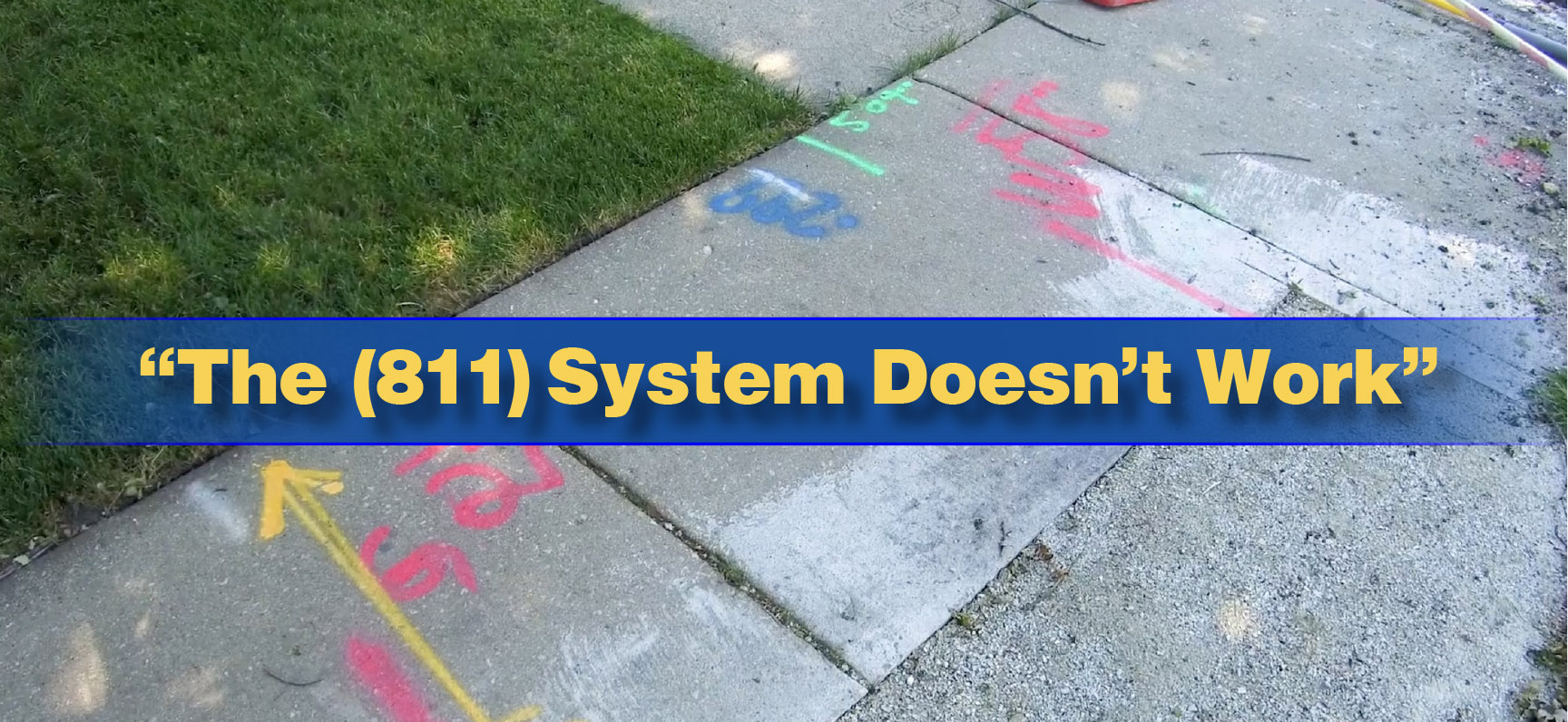
In fact, one participant said, “The (811) system doesn’t work…we all know that.” And that statement wasn’t controversial. Nobody in the panel during that session or anyone in the audience disputed the statement. I think that’s progress. Way back in 2020, I wrote a piece for American Locator about a Roundtable event where participants were talking about how they were working around the flaws in the system. Every entity at that session—excavators, locators and facility owner employees—talked about their “extracurricular” efforts to deal with the 811 system. At that time, nobody came right out and said the system didn’t work, though reading between the lines, that was the point that was being made. Six years later, it’s not really shocking to hear someone come right out and say the system doesn’t work. In a way, that’s positive. If you’re going to find a solution, the first step is to acknowledge there’s a problem.
THE IN-HOUSE LOCATOR SOLUTION
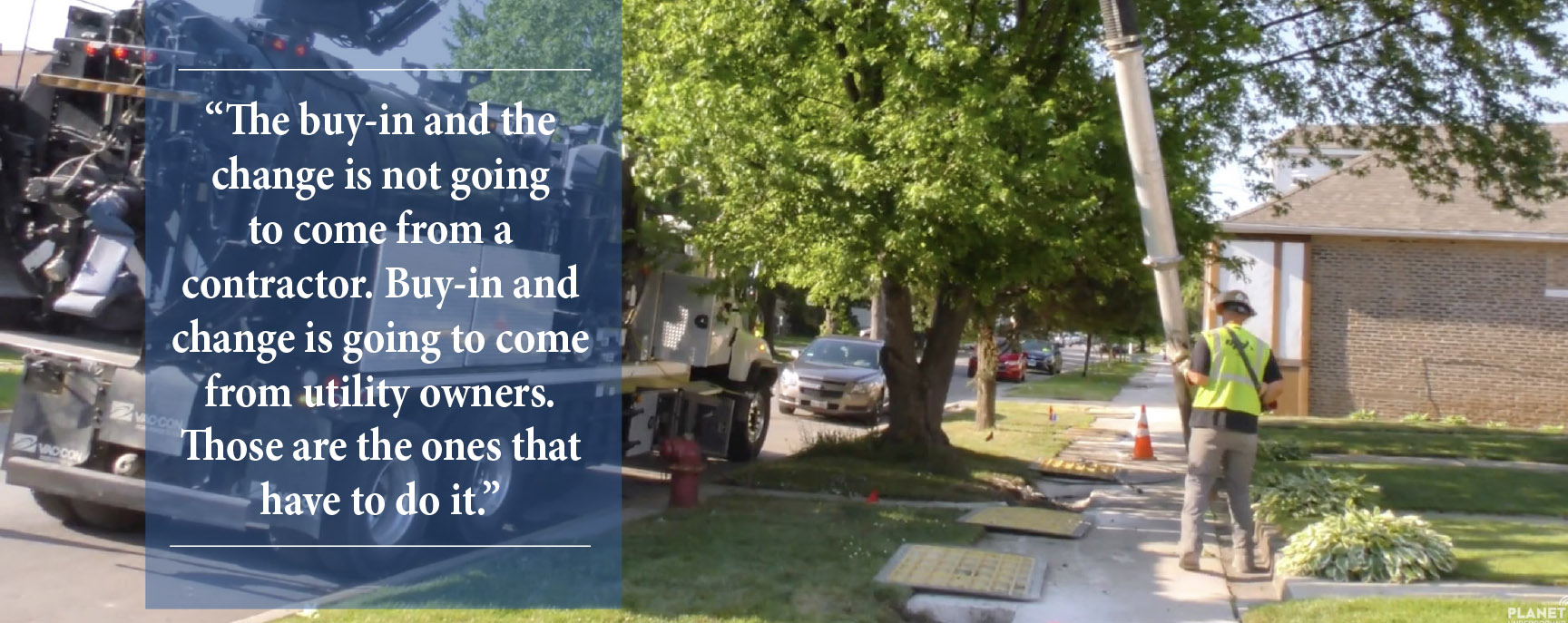
Roundtable moderator Jemmie Wang pointed out several times that the Roundtable participants seemed to be describing the duct tape they were using to hold the locating/excavating process together. Excavators pointed out that these days many companies in that field are employing their own trained locators to verify 811 marks and assist their excavating crews in locating and avoiding existing buried facilities. Planet Underground TV covered this in their Glorified Locators: Excavators Double Checking Locate Marks TV episode back in 2020, but that practice has become widespread. The 811 law doesn’t discuss the use of “in house” locators by excavators, so why would a company employ such workers? The participants said there were two reasons.
First, it’s about productivity. Having an on-staff locator verify locate marks and identify missing locates before sending an excavation crew to a site saves downtime for men and machinery. Then, when excavation begins, having a locator available to assist in exposing existing facilities when necessary is another time saver.
Second, it’s about damage prevention. One excavator told me they had reduced year-over-year strikes on existing facilities by 75% by employing a trained locator. Damage prevention is an efficiency promoter as well. When a crew strikes an existing facility, it brings work to a halt while they deal with the investigation, repair and (sometimes) emergency response. So, it isn’t just the cost of the damage itself that drives the increase in incurred costs for the project. It’s all that additional downtime spent recovering from a facility strike.
LOCATOR TRAINING HURDLES
Another topic that came up was the training, skill and experience of 811 locators. One participant pointed out that 811 locators are employed to protect the safety and health of workers and the public. It’s really the main reason that profession exists. And yet those locators are almost always the lowest paid person on a construction site. And that lowest pay status doesn’t change as locators become more experienced. It’s one of the reasons that you will rarely find a locator with more than a couple of years on the job. The locating industry has struggled to find a way to build a career path for locators, so that seems to be unlikely to change.
CHICAGO AS A MODEL FOR CHANGE
Because the Roundtable event was held in Chicago, the topic of Chicago’s 811 success (recognized by Common Ground Alliance last year with their Groundbreakers Award) was an area of discussion. Acknowledging Chicago’s success, Jemmie Wang asked participants whether the Chicago program could be duplicated in other jurisdictions. Initially, the discussion seemed to trend in the negative. Chicago does things like marrying the construction permitting, contractor licensing, locating and enforcement into one agency. Chicago has also done a great job mapping facilities and sharing that information for damage prevention purposes. It would be very difficult to pull all that together in a statewide or even countywide scenario because of the multiple municipalities and governmental units that would be involved.
However, the discussion turned to the idea that larger communities with populations of perhaps 100,000 and larger could implement some aspects of the Chicago system. In particular, licensing, permitting and the gathering and sharing of buried facility information could be done. Enforcement might prove to be more difficult. Chicago is unique in that it has a city-specific 811 ordinance that they enforce. For municipalities where the state is the enforcement agency, it could prove to be more difficult to meld compliance with 811 law and permitting.
One thing the panel thought that every community regardless of size could do is to know and record what is buried in the public way. Each community manages its own public right-of-ways, so part of that should include documenting what facilities are where on some level.
COOPERATION AND COMMUNICATION
In the end, the discussions were all informative and insightful. I found it remarkable that there is actually quite a lot of agreement between stakeholders. Most participants talked of their desire to continually cooperate and communicate with each other to improve safety and efficiency for everyone. Maybe that “duct tape” that Jemmie Wang mentioned is actually working quite well to hold things together. It reminded me of a recent session of the Underground Contractors Association of Illinois where a representative from the Illinois Commerce Commission spoke about 811 law enforcement. He admitted that locating and construction technology advance far faster than laws and regulation can be changed. So maybe we should stop worrying so much about laws and regulations and focus on practices that make us safer and more productive. Of course we must do what the law says. But there’s nothing that says we can’t do more than the minimums the law prescribes if it makes everyone safer, more productive and more profitable.
ABOUT THE AUTHOR
Fred LeSage is a Senior Construction Risk Engineering Consultant for AXA XL’s North America Construction team, specializing in risk management and loss prevention in construction projects, including those related to buried utilities and underground infrastructure. He has a long tenure in commercial construction insurance, focusing on prevention strategies to reduce accidents and property damage during excavation and construction work. He has authored numerous editorials and articles for publications that focus on excavation safety. He regularly participates in underground construction industry events to promote open dialogue on enhancing construction safety.. For more information visit: https://axaxl.com.